Direct answer
Beach cleanups are useful because they remove visible waste, create public attention and reveal which plastic items are leaking into nature. But they are not enough on their own. The strongest plastic pollution strategy uses cleanup evidence to prevent waste before it reaches the beach: fewer unnecessary single-use items, better product design, reuse and refill systems, smarter event planning, maintained bins and drains, and honest public communication about what can actually be recycled or composted.
Key points
- A beach cleanup is a starting point for prevention, not the final solution.
- Cleanup data is most useful when it identifies repeated items, brands, locations and behaviors.
- Single-use plastics need upstream fixes: refusal, reuse, refill, better purchasing and local collection routes.
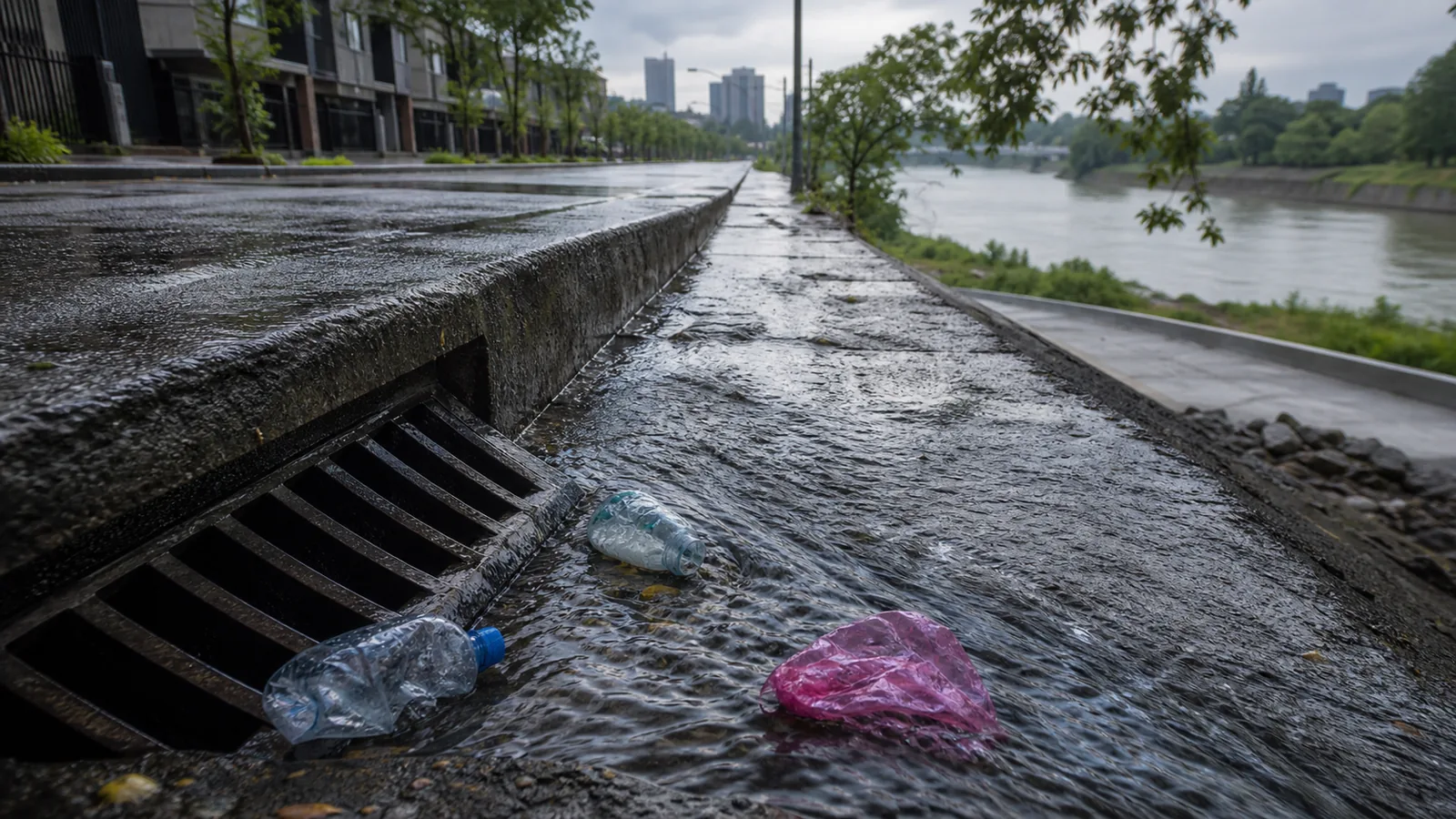
- Cities, events and businesses can interrupt plastic leakage before rain, wind and drains carry waste away.
- Awareness campaigns work best when they give people one repeatable action, not only a dramatic image of pollution.
Related Plastika Problema reading
- How plastic reaches the ocean - background on streets, storm drains, rivers and coastal leakage
- Action checklist - practical everyday steps that turn awareness into repeatable habits
- Reduce single-use plastic at home - household-level prevention before waste enters bins or waterways
- Plastic packaging greenwashing claims - guidance for checking whether packaging claims match real disposal routes
Why beach cleanups still matter
Beach cleanups matter because they make plastic pollution visible. A bottle floating beside a pier, a foam food box buried in sand or a line of caps caught in seaweed communicates the problem faster than a chart. People can touch the material, count it, photograph it and understand that waste does not disappear when it leaves a hand, a shop counter or a hotel room. That public moment has value. It turns an abstract environmental issue into a shared local responsibility.
Cleanups also remove real hazards. Plastic fragments can harm marine life, fishing activity, tourism, drainage, beach safety and the everyday beauty of a coast. Removing waste before it breaks into smaller pieces is always better than leaving it in place. The strongest critique of cleanups is not that they are useless. It is that they are incomplete when they do not change the system that keeps sending the same items back to the same shore.
What a cleanup can and cannot prove
A cleanup can show what is present at a particular beach on a particular day. It can show common item categories, likely sources and places where waste collects. It can motivate volunteers, attract media attention and support public education. If the event records item types carefully, it can become a useful data point for local prevention. A cleanup without data still removes waste. A cleanup with data can also point to policy and operational fixes.
But a cleanup cannot prove the whole plastic pollution picture by itself. Weather, tides, tourism patterns, storm drains, nearby events, fishing activity, waste collection schedules and seasonal visitors can all shape what appears on a beach. One dramatic pile of waste should not be used as the only evidence for a national strategy. The better approach is to combine repeated cleanup records with waste audits, purchasing data, city maintenance reports and product design information.
From awareness to source reduction
The phrase source reduction sounds technical, but the idea is simple: stop unnecessary plastic before it becomes waste. If a disposable cup is never handed out, it cannot blow into a drain. If an event uses refill stations and returnable containers, fewer loose items exist at closing time. If a shop asks before adding a bag or cutlery, fewer items enter the street. If a city places covered bins where people actually eat, less waste escapes during wind or rain.
This is the bridge that many campaigns need. Awareness says the problem is real. Source reduction asks what will be different tomorrow morning. The answer should be practical enough for a household, business, school, market, hotel, event organizer or municipality to copy. A beach cleanup becomes much more powerful when the next step is a purchasing rule, a refill system, a drain maintenance schedule or a local ban on the most leak-prone items.
Why single-use plastics dominate the conversation
Single-use plastics dominate marine litter discussions because many of them are light, cheap, portable and used outdoors. Bags, bottles, caps, wrappers, straws, cups, lids, cutlery, foam containers and sachets are designed for minutes of convenience but can persist as waste. They are also easy to lose. A cap drops from a bag, a wrapper blows from a table, a cup overflows from a bin, and rain carries the item toward a gutter before anyone sees it again.
The European Commission's single-use plastics work focuses on products often found on European beaches and points to a mix of bans, consumption reduction, design requirements, marking, producer responsibility and awareness measures. That combination matters. It recognizes that a consumer choice at the beach is only one part of the chain. Producers, retailers, venues, public authorities and waste systems all shape whether a disposable item exists, whether it is needed, and whether it can be captured after use.
The prevention ladder before the beach
A useful prevention ladder starts before waste is created. First, refuse items that do not need to exist, such as automatic straws, extra bags, duplicate cutlery or tiny samples. Second, reduce the number of disposable items that remain, especially in high-volume settings. Third, reuse through bottles, cups, crates, containers, towels, serviceware and refill formats that people can actually return or clean. Fourth, design simple packaging that local systems can collect. Fifth, recycle only what the system accepts.
This order keeps recycling in its proper place. Recycling can be valuable, but it should not be the first answer to an unnecessary single-use item. If a market sells drinks in returnable cups, the cleanup team will not need to recover as many loose cups afterward. If a hotel installs refill dispensers instead of hundreds of mini bottles, the waste room changes before the beach ever sees the material. Prevention is cleaner than retrieval.
For households: make throwaway items less automatic
Household action works best when it targets repeated moments. A reusable bottle that is clean and near the door reduces emergency bottled drinks. A shopping bag kept inside the daily bag reduces plastic carry bags. A container ready for leftovers reduces food wrap and takeaway packaging. A local recycling note placed beside the bin prevents wishcycling. These are small design choices, not heroic lifestyle claims.
The goal is to make throwaway plastic less automatic during busy days. Most people do not choose waste because they love waste. They choose convenience when the lower-plastic option is hidden, dirty, heavy, forgotten or socially awkward. A practical household system removes that friction. It does not ask someone to think about plastic pollution all day. It places the better default where the decision happens.
For small businesses and venues: design out the default
Small businesses and venues can reduce plastic by changing defaults. Ask before adding cutlery. Serve dine-in orders with washable serviceware. Put refill water where guests can find it. Buy professional refill formats instead of many tiny bottles. Train staff to explain changes calmly. Use supplier conversations to reduce film, foam, sachets and mixed packaging. Count what enters the building, because purchasing records often show the most realistic reduction targets.
This matters for cafes, spas, beach clubs, hotels, tour operators, markets, festivals and offices. Each one creates repeated choices for many people. If a venue makes the lower-plastic option normal, hundreds of individual decisions become easier. If it keeps handing out disposables by default, it places the burden on every customer to refuse at the right moment. Good service design reduces plastic quietly and repeatedly.
For cities and event organizers: interrupt leakage routes
Cities and event organizers should think like water. Where does waste move after people leave? Which bins overflow first? Which streets flood after heavy rain? Which drains collect wrappers? Which beach entrances lack sorting points? Which food vendors hand out items that become loose litter within minutes? The answers reveal leakage routes. A cleanup at the end of the route should be paired with prevention at the start.
Practical fixes are often unglamorous. Covered bins, better bin placement, frequent collection before storms, event waste plans, vendor packaging rules, deposit systems, water refill points, street sweeping near drains and public instructions in the right language can all reduce leakage. These measures may not photograph as dramatically as volunteers beside a pile of waste, but they decide whether the pile will be smaller next month.
Use cleanup data as evidence, not decoration
A cleanup clipboard can be as important as a cleanup bag. Record categories such as bottles, caps, bags, foam, fishing gear, cigarette filters, wrappers, sachets, cups, lids and cutlery. Note the location, weather, nearby activities and whether the item seems connected to food service, tourism, household waste, industry or fishing. Photograph common items and count them in a consistent way across events.
Then use the pattern. If caps and bottles dominate, refill access and deposit return may deserve attention. If foam food boxes appear repeatedly, vendor packaging rules may matter. If wrappers collect near a school route, bins and retailer practices may be part of the answer. If fishing gear appears, port reception and industry engagement may be needed. Data turns cleanup from a symbolic event into local evidence.
Communicate without greenwashing
Awareness campaigns should avoid making plastic pollution sound solved after one event. A successful cleanup is worth celebrating, but the message should be honest: the beach is cleaner today, and the next goal is to reduce what arrives tomorrow. That honesty protects trust. People can see when the same beach needs cleaning again and again. Pretending that one event solved the issue weakens the campaign.
Communication should also be careful with alternatives. Compostable, biodegradable, recycled, recyclable, ocean-bound and plastic-neutral claims need conditions and proof. A compostable cup is not useful if no composting route accepts it. A recyclable tray is not useful if local sorting rejects it. A recycled-content bottle may still be single-use. Better communication explains the route, not only the mood of the claim.
A 30-day plan after a cleanup
Week one should turn cleanup notes into a short list of the top five items found. Week two should identify where those items likely enter the local system: shops, events, tourism, household waste, fishing, transport or storm drains. Week three should test one prevention action, such as refill water, vendor guidance, covered bins, a no-automatic-cutlery rule, a sorting station or a drain hotspot fix. Week four should measure whether the change is visible in purchasing, bin contents or street litter.
The plan should stay small enough to complete. A community that tries to redesign the whole plastic economy in one month may become exhausted. A community that removes one repeated disposable default can build proof. After the first cycle, repeat the process with the next item. This rhythm turns a cleanup day into an operating loop: clean, count, prevent, measure and repeat.
Bottom line
Beach cleanups are powerful when they are treated as the beginning of a prevention system. They remove visible waste, build attention and create evidence. Their weakness appears only when they are asked to replace design, policy, purchasing and maintenance. A beach should not have to be cleaned forever because the same disposable items keep escaping upstream.
The strongest next step is to choose one repeated item from a cleanup and remove its source. That might mean a refill station, a supplier change, a city bin fix, an event rule, a household default or a business purchasing decision. The beach is where the problem becomes visible. The solution starts earlier, where the item is designed, bought, handed out, used and either captured or allowed to leak.
Campaign reference
A beach cleanup example worth studying
For a concrete example of a beach cleanup linked to awareness and policy, the EU in Thailand project Beat Plastic Pollution documents the 2019 Koh Sak cleanup near Pattaya and frames the event alongside European action on single-use plastics.
Detailed infographic
Cleanup to source-reduction loop
A practical cycle for turning a beach cleanup into upstream plastic prevention.
- Collect Run the cleanup safely and separate items into useful categories.
- Record Count bottles, caps, bags, wrappers, foam, cups, lids and other repeat items.
- Trace Connect common items to vendors, events, drains, tourism, fishing or household waste.
- Change Test one source-reduction action such as refill, reuse, covered bins or vendor rules.
- Measure Check whether the next cleanup, bin audit or street survey shows fewer repeat items.
Action checklist
- Do not stop at the photo of collected waste.
- Use cleanup records to choose one prevention priority.
- Reduce automatic single-use items before improving disposal.
- Match recycling or composting claims to real local routes.
- Repeat the loop until the same item stops coming back.
Frequently asked questions
Are beach cleanups actually useful?
Yes. They remove visible waste, protect local spaces, engage communities and can create useful data. They become much stronger when paired with source reduction so the same items do not return.
Why are single-use plastics common in beach litter?
They are lightweight, cheap, portable and often used outdoors. Bags, wrappers, bottles, caps, cups, lids and food containers can escape bins, blow in wind or move through drains and rivers.
What should a cleanup team record?
Record item categories, quantities, location, weather, nearby activities and likely source patterns. Repeated items are the best clues for prevention.
What is the best next step after a cleanup?
Choose one high-frequency item and change the upstream default. Examples include refill stations, no automatic cutlery, covered bins, vendor packaging rules, deposit systems or better storm-drain maintenance.
Can recycling solve beach plastic pollution?
Recycling can help when local systems accept the exact item, but it cannot solve unnecessary single-use packaging, litter leakage, poor product design or items that never reach collection.