1
PET / PETE
Common in water bottles and drink packaging. Often accepted by recycling systems.
Restored from the 2023 archive
Plastic appears, works for a moment, and seems to disappear. It does not. This restored guide explains what happens next, why recycling alone cannot solve the problem, and what practical choices still matter.

Choose a starting point
Most frustration comes from ambiguous labels, local rules and green claims. Start with the path that matches the object in your hand.
Understand PET, HDPE, PVC, LDPE, PP, PS and OTHER without treating the symbol as a recycling promise.
Open plastic types ReduceUse a small checklist for refusing, reusing, sorting locally and keeping plastic out of natural places.
Build your checklist VerifySeparate useful recycling information from vague “eco” language, compostable confusion and wishful sorting.
Read claim guideThe problem
The original site asked a simple question: is it too late to start making changes? The modern answer is sharper: it is too late to ignore the system, but not too late to reduce unnecessary plastic, sort better, and demand better packaging.
Not gone, just displaced
A lot of discarded plastic leaks into rivers, coastlines and oceans. Some pieces remain visible. Others break down into fragments that are harder to collect and easier to eat by mistake.


Microplastics
Microplastics can come from larger items breaking apart, synthetic textiles, tyres, cosmetics and industrial pellets. Once they spread through water and soil, cleanup becomes far harder than prevention.
Understand the pathwayPlastic codes
The archive included a practical guide to PET, HDPE, PVC, LDPE, PP, PS and OTHER. The restored version keeps that public-service structure and makes it easier to scan.
Common in water bottles and drink packaging. Often accepted by recycling systems.
Used for detergent bottles, shampoo bottles and tougher containers. Widely recyclable in many places.
Used in pipes and frames. Difficult to recycle and not suitable for food reuse.
Everyone can
The original call to action was practical: take your rubbish with you, find local collection points, avoid uncontrolled plastic use, and read reliable sources. That remains the heart of the site.
New research guides
Go deeper into microplastics, recycling symbols, single-use habits, ocean leakage, green packaging claims and synthetic clothing microfibers.
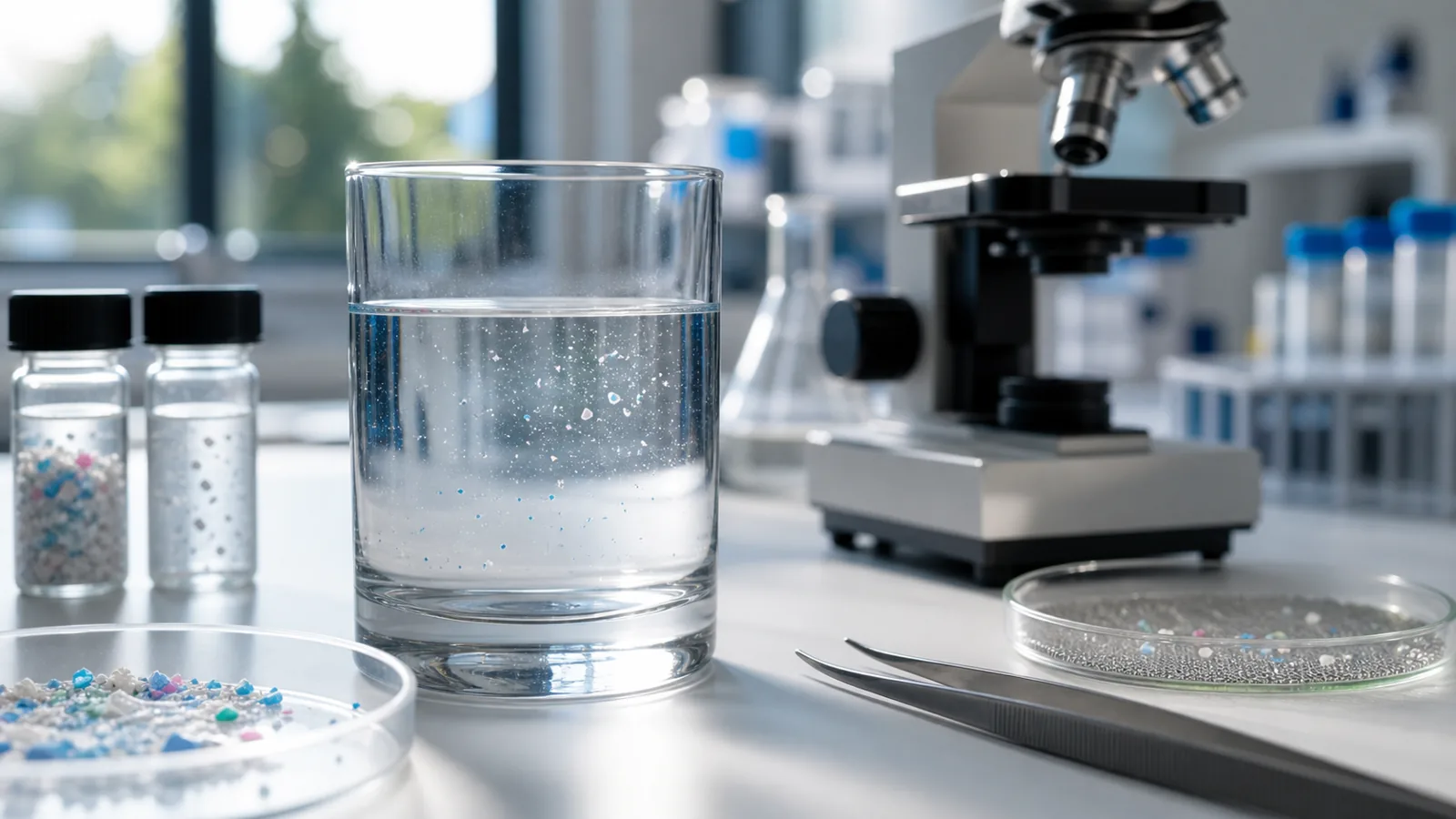 Microplastics
A calm, evidence-led guide to exposure, sources and useful prevention.
Read the article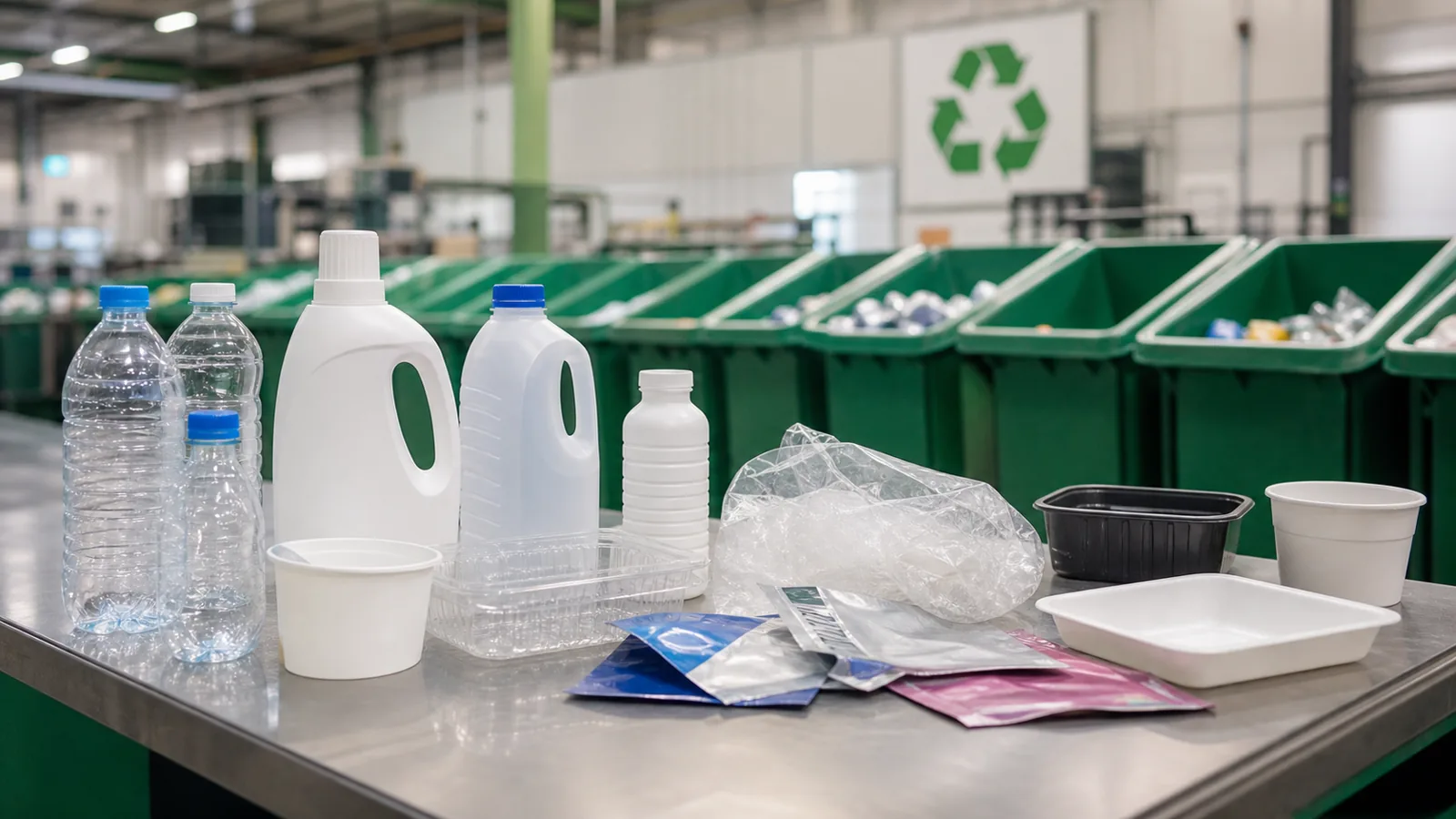 Recycling guide
What PET, HDPE, PVC, LDPE, PP, PS and OTHER really mean.
Read the article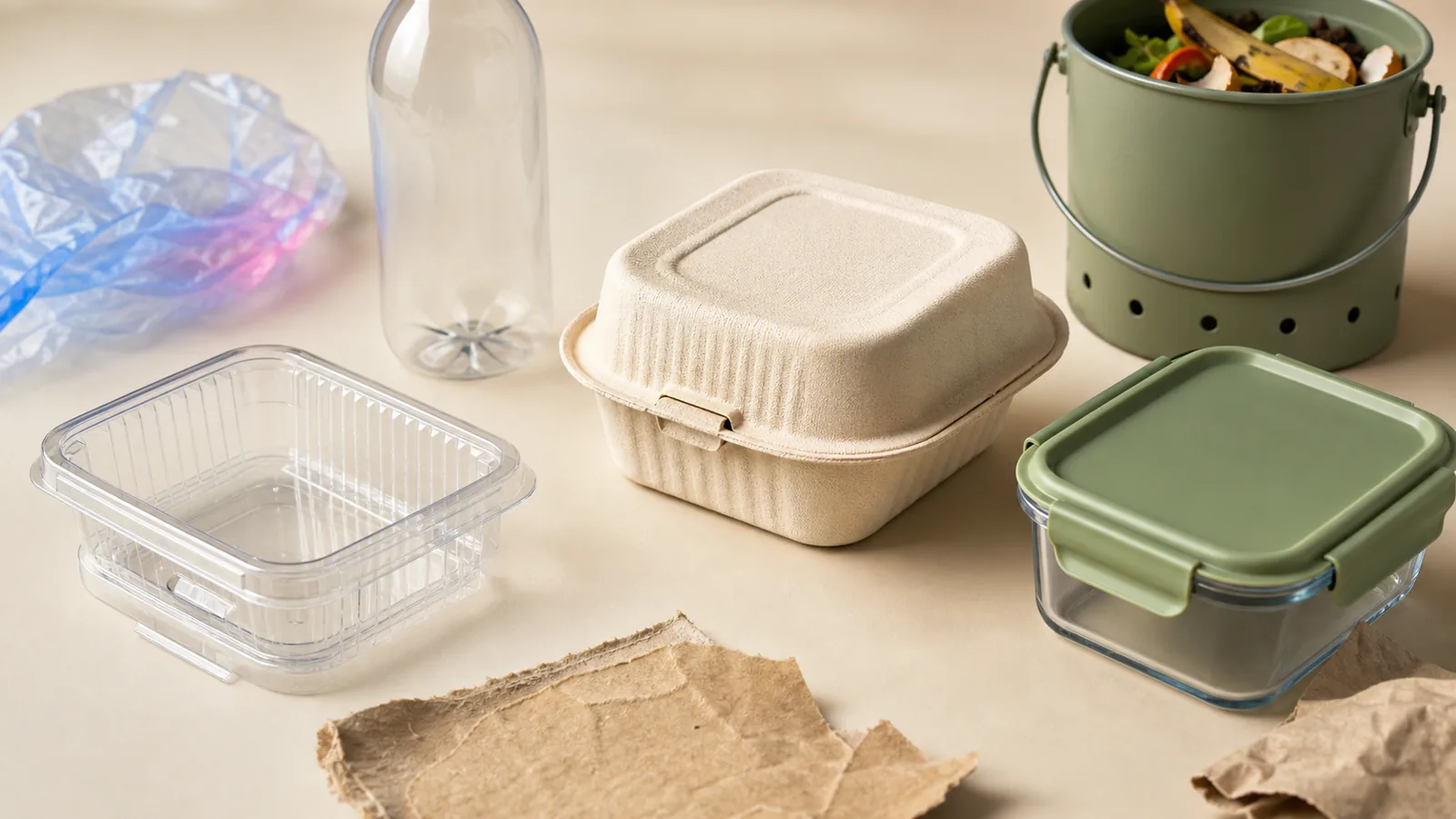 Green claims
A practical way to read packaging claims without falling for greenwashing.
Read the articleReferences
The restored site keeps the original public-service message and points readers toward current reference material.