Direct answer
From 21 November 2026, the EU will prohibit plastic waste exports to countries outside the OECD waste recovery decision, including clean, sorted plastic sent for recycling. Eligible exports to OECD destinations remain subject to controls. If a contractor collects your plastic, ask which country and facility will receive it after the deadline.
Key points
- The November change adds specified non-hazardous plastic scrap classified as B3011 to existing export prohibitions.
- The first date a non-OECD country can request permission to receive eligible plastic waste again is 21 May 2029.
- Thailand already prohibits imports of plastic waste and scrap under tariff heading 3915.
- A collection ticket records a pickup. A recycling claim needs evidence of what happened at the processing facility.
What changes for a bale of sorted plastic?
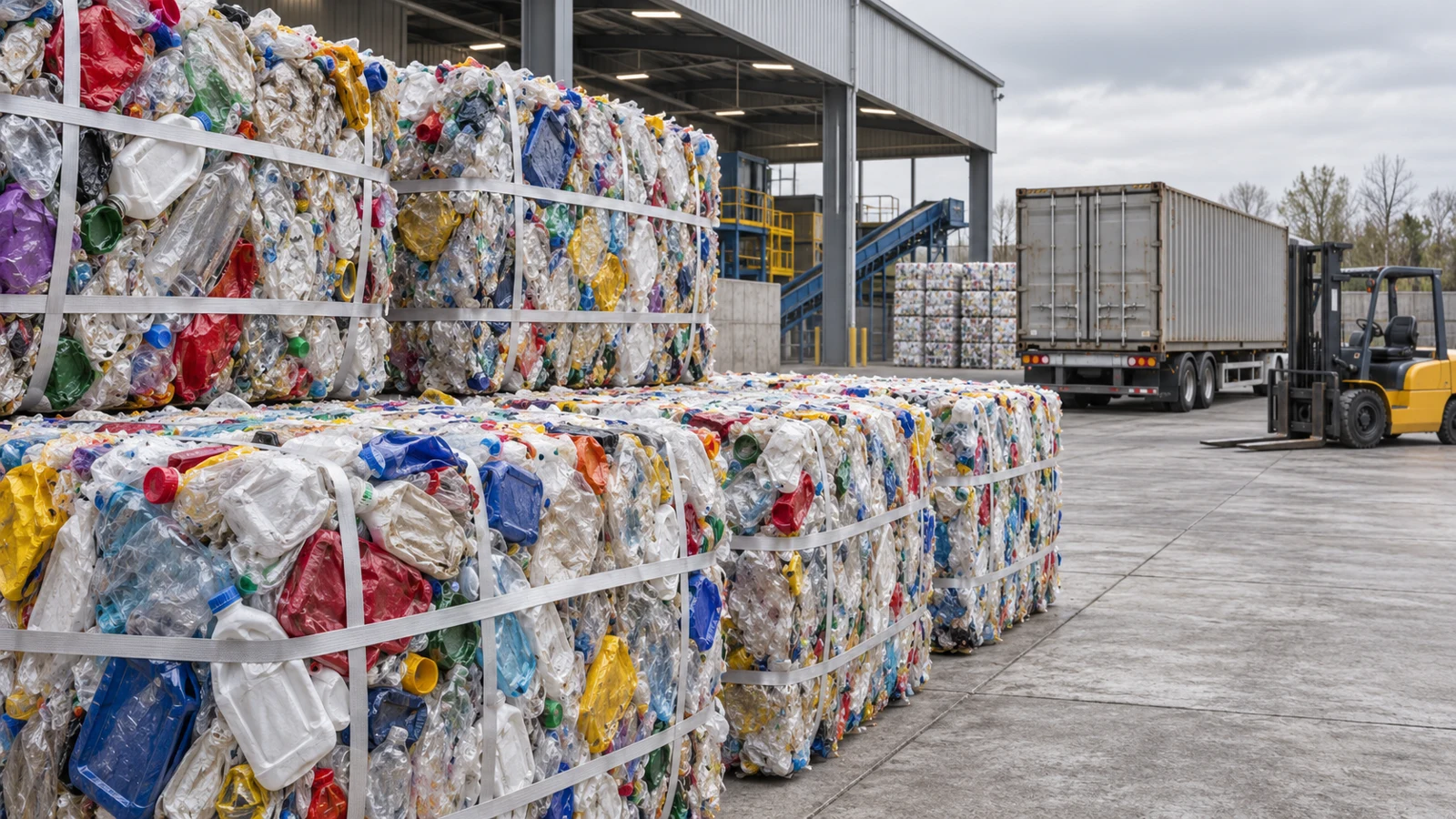
Consider a warehouse that takes the clear wrap off incoming pallets and keeps it separate from cardboard. A collector compresses the film into bales. The warehouse may know the collection day, the price per pickup and even the address of the sorting yard. One detail can still be missing from the contract: the country where the film is supposed to become recycled plastic. That detail matters for material shipped from the European Union.
Until now, one category of relatively clean plastic scrap could still travel from the EU to some non-OECD destinations for recycling under strict conditions. From 21 November the new prohibition reaches that category too. Hazardous plastic waste and certain other plastic wastes, including difficult-to-recycle mixtures, were already barred from those destinations. The change applies even where a buyer can use the sorted material and is willing to pay for it. A commercial order and a lawful waste shipment are separate decisions.
Which plastic does B3011 cover?
B3011 is an entry in the Basel Convention’s international waste lists. It describes specified plastics intended for environmentally sound recycling and subject to conditions on composition and contamination. It can cover material consisting almost entirely of one eligible polymer. Specified mixtures of polyethylene, polypropylene and PET can also qualify when each material is destined for separate recycling and the other conditions are met. The everyday description “clean plastic” leaves out much of what an operator must establish.
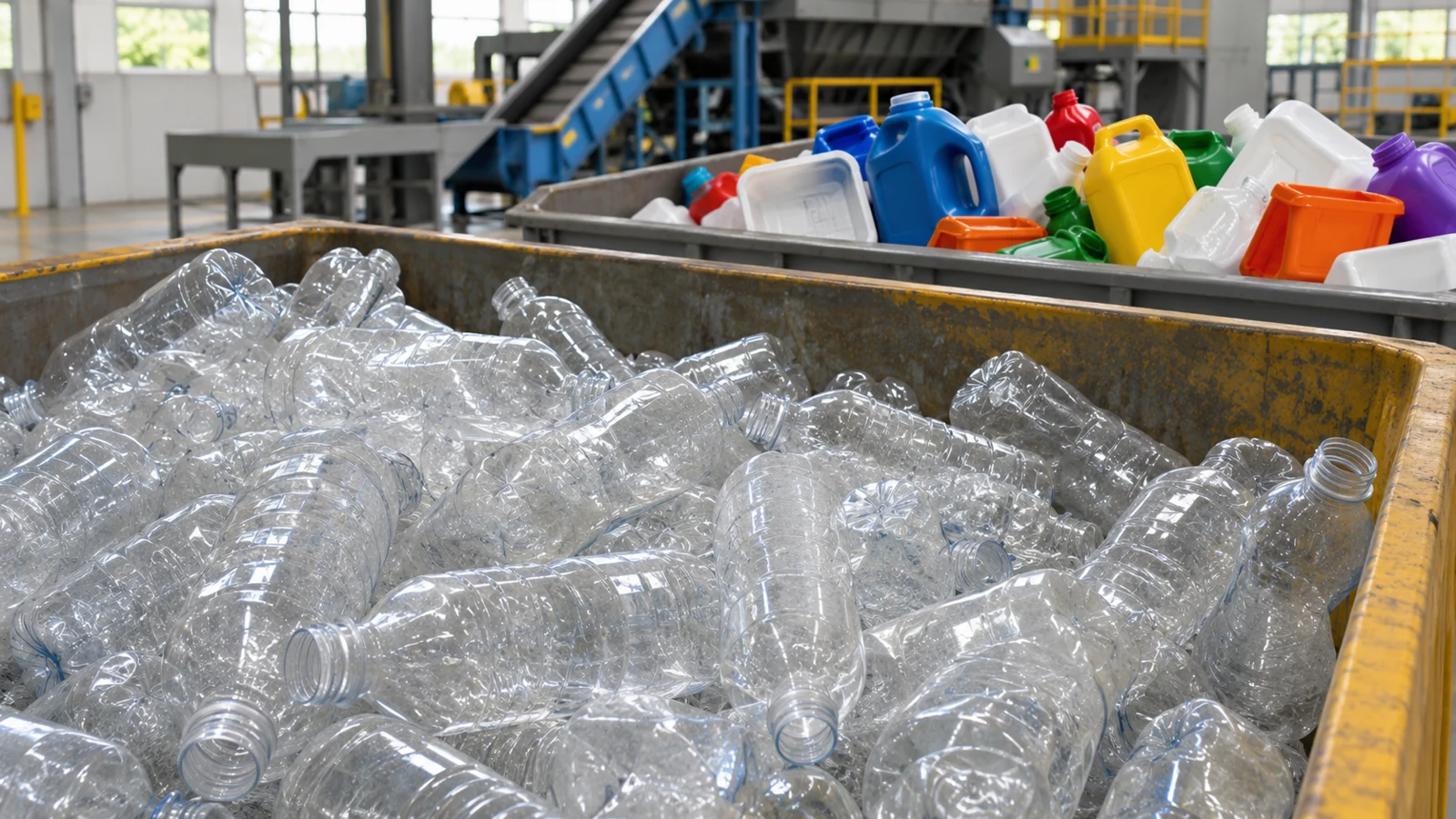
Take a batch of discarded bottles. A resin mark may identify the plastic in a bottle body. It says little about everything else in the bale, including labels, residue and other containers, or what the receiving plant intends to do with it. For a real consignment, ask the person arranging the shipment to supply the classification and its basis. A photo can help a collector recognise the material, but the load description and intended treatment determine the questions the authorities will ask.
How plastic recycling symbols work. Read what a resin number tells you about an item.
The dates that matter for plastic waste exports
21 May 2026 was the first change many recyclers encountered. EU exports of eligible B3011 plastic waste became subject to prior written notification and consent, including shipments to OECD destinations. Six months later, on 21 November, the EU closes the non-OECD export route for this category. The earlier consent procedure continues to matter on routes where exports remain permitted. Anyone relying on an older notification should ask the competent authority how the transitional provisions apply to their actual shipment.
21 May 2027 brings a different obligation. EU exporters will generally need independent audits of the overseas facilities that receive their waste, subject to the regulation’s conditions and exceptions. Then, from 21 May 2029 at the earliest, a non-OECD country can ask the Commission to list it for eligible B3011 imports. The country must demonstrate how it will manage the waste and meet the additional criteria. A company planning future capacity should budget for the uncertainty of an application and assessment before treating a route as available.
What if the sorting plant and recycler are both inside the EU?
The November export deadline concerns material leaving the Union for the specified destinations. A sorting facility in one member state can still send plastic to a recycler in another under the rules for shipments within the EU. The Commission explains that qualifying non-hazardous plastic waste under the intra-EU entry EU3011 travels with general information requirements. Other categories, including hazardous plastic waste and certain mixtures, require notification and consent even on an intra-EU journey.
For a buyer checking a collection contract, the distinction comes down to two addresses. A broker might give the address of the European sorting plant that receives the truck. Ask whether that plant turns the plastic into new material or prepares it for a second journey. If the bales leave the EU after sorting, the exporter has to consider the rules for that onward destination. Following the material one step further can change the answer to the original question.
Where the exported plastic goes
In 2025 the EU exported 1.4 million tonnes of plastic waste to countries outside the Union, according to the European Commission’s assessment of trade data. Türkiye received 510,000 tonnes. As an OECD destination, Türkiye illustrates why the November measure cannot be used to calculate how much plastic will stay in Europe. Its shipments fall under a different set of controls, and the Commission has specifically assessed the country’s management of imported plastic waste.
Those tonnages measure material crossing borders. They tell us little about the yield at the far end. A bale may need more sorting before it reaches a reprocessor, and parts of it may be rejected. The figures also predate the November change. To find out whether European plants process more plastic afterward, look for evidence of additional material received and treated, alongside changes in exports. A decline in trade with one destination on its own cannot answer that question.
Watch the Basel Convention film
This film introduces the international framework behind the waste classifications. The European Commission sets out the separate EU timetable in the sources below.
Addressing plastic pollution under the Basel Convention on YouTube
Published by the Basel, Rotterdam and Stockholm Conventions Secretariat.
Why Thailand already has a different answer
A reader in Bangkok might reasonably ask whether European plastic scrap can enter Thailand until the European deadline. Thailand’s own rule took effect much earlier. Its Ministry of Commerce prohibited imports of plastic waste, parings and scrap under customs heading 3915 from 1 January 2025. Thailand reported that measure to the World Trade Organization, and its Department of Foreign Trade reiterated in October 2026 that the authorities were enforcing the prohibition.
The distinction matters when someone offers a material described simply as recycled plastic. A shipment of discarded plastic film and a finished product made with recycled content raise different classification questions. Ask what the material actually is and which authority governs the proposed import. The Thai notification identifies a particular tariff heading. It also concerns imports into Thailand. For a Bangkok business sorting film generated on its own premises, the relevant day-to-day question remains which domestic service accepts that film and where the service sends it.
What the recycling receipt actually tells you
Suppose the warehouse receives a ticket showing a date, a truck registration and the weight of film collected. That is a good record for checking an invoice. If the warehouse wants to tell customers that its pallet wrap became new material, it needs another piece of the story. Which reprocessor received the film? Did the plant accept the whole load? What evidence links the warehouse’s collection to a batch the plant treated?
Some collectors combine material from several customers. The plant may report a total for a batch or an average yield for a reporting period. Ask the contractor to explain how it assigns an amount to each customer and where it accounts for rejects. If the contractor can document only collection, describe the outcome as collection. That distinction lets a buyer compare two services fairly, including a service that reports losses openly and another that gives only the weight collected at the door.
How to check a packaging recycling claim. Match public claims to the evidence you can obtain.
Questions to put to your waste contractor this week
Pick one recurring plastic stream and ask for a written account of one ordinary pickup. Give the contractor the date, material and collection reference so it can trace a specific movement. Ask for the country of final treatment, the facility name, the operation it performs and any intermediate sorting locations. If the final destination will change after 21 November, ask when the new arrangement starts and how the supplier will document its first completed delivery.
Ask what happens if a bale fails the receiving plant’s specification. Find out who reports a rejection and whether the service can help your team avoid the same problem on the next collection. A recurring rejection due to mixed film or food residue may be easier to fix at the packing bench than at the end of the route. Update staff instructions when the contractor supplies the new specification and review the next pickup against it.
Households have a shorter task. Keep using the collection instructions issued for your address and check with the operator when an item is unclear. The EU export timetable gives residents a good reason to ask a council where their sorted plastic goes. It does not change what a local service can collect by itself. A council answering that question can name the material, destination, reporting period and treatment it can verify.
A small-business plastic waste audit. Trace a recurring material from purchasing to collection.
Detailed infographic
The EU plastic waste export timetable
Four dates for understanding an EU shipment of plastic waste.
- 21 May 2026 Prior notification and consent apply to exports of eligible B3011 waste.
- 21 November 2026 EU prohibition extends to B3011 sent to non-OECD countries.
- 21 May 2027 Overseas facility audit requirements generally start.
- 21 May 2029 Earliest date a non-OECD country may apply to receive eligible B3011 waste.
Action checklist
- Identify the plastic waste and its classification.
- Check where the final treatment facility operates.
- Confirm route-specific requirements with the competent authority.
- Ask for the material weight accepted and the evidence of treatment.
Frequently asked questions
Can clean sorted plastic still be exported to non-OECD countries?
The EU prohibition covers B3011 from 21 November 2026, including qualifying clean material intended for recycling.
Can the EU still send plastic waste to OECD countries?
Eligible exports can continue where the route and waste meet the applicable controls. B3011 exports require prior notification and consent.
Will exports automatically restart on 21 May 2029?
That is the earliest date a non-OECD country may apply to receive eligible B3011 waste. The Commission must assess the application.
Does the ban change what goes in my recycling bin?
Your local collection service decides which materials it accepts. Check its guidance for your address.
Sources and further reading
- Official Journal of the EU: Regulation (EU) 2024/1157 on shipments of waste
- European Commission: rules for plastic waste shipments
- Dutch Human Environment and Transport Inspectorate: exports and facility audits
- Basel Convention Secretariat: international plastic waste classifications
- European Commission: assessment of EU plastic waste exports to Türkiye, 18 September 2026
- Thailand’s notification to the World Trade Organization on plastic waste imports
- Thai government: Department of Foreign Trade statement on import controls, 22 October 2026