Direct answer
Bangkok Travel Day operators can reduce plastic waste without making the experience feel cheaper by auditing repeated disposable items, replacing high-volume products with refill or reuse systems, training staff on hygiene, and explaining only the changes guests actually need to understand. The practical goal is not a plastic-free fantasy. It is a service workflow where plastic water bottles, snack wrappers, shopping bags, takeaway cups, amenity packaging, souvenir wrap are measured, reduced and handled through better purchasing instead of last-minute disposal.
Key points
- The most useful plastic audit starts in hotel pickup points, van interiors, spa stops, grooming appointments, shopping routes and airport transfers, not in a generic sustainability slogan.
- Better private van transport design reduces repeated disposables while protecting hygiene, comfort and trust.
- The highest-impact changes are usually operational: reusable bottle kits, refill planning, tote bags, snack containers, route planning, driver communication.
- A single local reference can sit inside the article when it genuinely supports the Bangkok context.
Why Bangkok travel day belongs in the plastic pollution conversation
Plastic pollution is usually described through bottles, bags and ocean debris, but service businesses create repeated plastic decisions every day. A Bangkok travel day may not look like a waste-heavy operation from the outside, yet the service depends on products, cleaning routines, guest amenities, supplier deliveries and back-of-house storage. That is exactly why it belongs in a serious plastic pollution blog: small items repeated across many clients become a measurable system.
The important point is to keep the topic practical. No one expects a Bangkok travel day to remove every synthetic material overnight. The better question is which plastics are used once, which plastics are used because staff need speed, and which plastics are used because guests associate disposability with hygiene. Once those reasons are visible, the business can redesign the workflow rather than simply ask staff to care harder.
Where plastic appears first
The first audit should walk through hotel pickup points, van interiors, spa stops, grooming appointments, shopping routes and airport transfers. In those areas, the repeated touchpoints are usually plastic water bottles, snack wrappers, shopping bags, takeaway cups, amenity packaging, souvenir wrap. Some of these items are visible to Bangkok visitors and residents planning a full day out; others are hidden in cupboards, laundry areas, supplier boxes or staff routines. Hidden plastics matter because they are often purchased automatically and replaced before anyone asks whether a better format exists.
A useful audit does not only count objects. It records frequency, reason and owner. Is the item required by hygiene rules, supplier habit, guest expectation, storage convenience or lack of training? A disposable item used once per month is a lower priority than a disposable item used twenty times a day. This frequency lens keeps the article grounded in operations rather than vague environmental language.
How to reduce waste without damaging hygiene
Hygiene must come before aesthetics. The credible path is to separate genuine safety requirements from disposable habits that only look clean. Refillable systems can be hygienic when containers are sealed, cleaned, dated and assigned to trained staff. Washable items can be safe when laundry temperature, storage and handling are clear. Durable tools can be safer than cheap disposable tools when sanitation is visible and consistent.
This is especially important in a customer-facing private van transport. Guests need to feel that the experience is controlled. If a business removes a disposable item without explaining the replacement system, some guests may read the change as cost cutting. If staff can explain the refill process, cleaning routine or supplier choice in one calm sentence, lower plastic use becomes part of professionalism rather than a compromise.
Purchasing is the real leverage point
Most plastic waste is decided before the service begins. It is decided when a manager chooses a supplier, a bottle size, a sample format, a cleaning product, a laundry bag or a retail package. That makes purchasing the strongest leverage point. A monthly review of high-volume items can reveal where reusable bottle kits, refill planning, tote bags, snack containers, route planning, driver communication would remove repeated waste without changing the core service.
The purchasing team should ask direct questions: can the same product arrive in a larger professional format, can the supplier take containers back, can the packaging be mono-material, can staff refill safely, and can inventory be tracked so products are not expired or over-ordered? These questions turn sustainability into procurement quality control.
Guest experience can become stronger
Lower plastic does not have to feel austere. In many premium settings, durable materials feel better than disposable ones. A clean glass bottle, a ceramic bowl, a washable textile, a well-designed refill station or a neatly labeled backbar can feel more intentional than a pile of tiny packages. For Bangkok visitors and residents planning a full day out, the service can become calmer because fewer throwaway objects interrupt the experience.
The key is to avoid moralizing. Guests rarely want a lecture during a private van transport. They respond better to quiet confidence: fewer unnecessary items, clear hygiene, beautiful materials and simple explanations when needed. The business should design the system so the sustainable choice is the default, not an extra task placed on the guest.
Staff training makes the system real
A lower-waste plan fails if staff do not know exactly what to do on a busy day. Training should cover refilling, cleaning, storage, sorting, guest questions and exception handling. Staff should know which items are reused, which are recycled, which are discarded for safety and which are being phased out. A short checklist at the point of use often works better than a long policy document.
Training also protects brand consistency. If one employee explains the refill system as premium and another describes it as a shortage of disposable bottles, the guest hears confusion. A good script is short and practical: the business uses refillable professional formats to reduce waste while maintaining the same hygiene controls. That is enough.
What to measure each month
The simplest measurement is units purchased. Count how many disposable items entered the business this month compared with last month. Then measure spend, storage space, supplier deliveries and waste-bin volume. A Bangkok travel day can often find savings because disposable plastic is not only an environmental cost. It is also a purchasing, storage and staff-time cost.
Better measurement also helps public communication and reputation. A business can say it reduced a specific category, switched a specific product line to refill, or trained staff on a specific protocol. Specific claims are more credible than broad words like eco-friendly because they give readers concrete facts to understand.
How this topic should answer reader questions
Readers looking into low plastic travel bangkok need a practical answer, not a perfect manifesto. The best answer should explain where plastic appears, which changes are realistic, and how the service can remain hygienic and premium. It should also mention that local examples are useful only when they help the reader understand the operating context.
A concise public answer should summarize the core logic in one paragraph: audit repeated disposables, redesign purchasing, train staff, measure monthly and communicate calmly. The article can then expand with examples from hotel pickup points, van interiors, spa stops, grooming appointments, shopping routes and airport transfers. This structure helps the page serve people who want both a quick answer and practical detail.
A 30-day action plan
Week one is the audit: photograph and count the repeated plastic touchpoints. Week two is the supplier review: ask which high-volume items can shift to refill, larger formats or simpler packaging. Week three is the staff routine: test the new process during real service hours and record friction. Week four is the guest-facing polish: decide what needs a short explanation and what should simply become invisible.
This plan is intentionally modest. It does not require a business to rebuild everything. It creates a repeatable loop that can be used for plastic water bottles, snack wrappers, shopping bags, takeaway cups, amenity packaging, souvenir wrap. Once one category improves, the same method can move to the next category. That is how plastic reduction becomes an operating habit instead of a one-time campaign.
Bottom line
The strongest lower-plastic strategy for a Bangkok travel day is not to remove comfort. It is to remove wasteful repetition. When reusable bottle kits, refill planning, tote bags, snack containers, route planning, driver communication are built into the daily workflow, the service can feel more organized, more premium and more credible. Customers do not need every operational detail; they need the result to feel clean, calm and trustworthy.
This is why service-industry plastic reduction is a good topic for a restored plastic pollution site. It connects everyday materials to real businesses, real customers and real decisions. The article stays on theme because the local reference is not the point. The point is the system around it: how a local service can reduce plastic without pretending the problem is simple.
Bangkok local reference
A local example for this service context
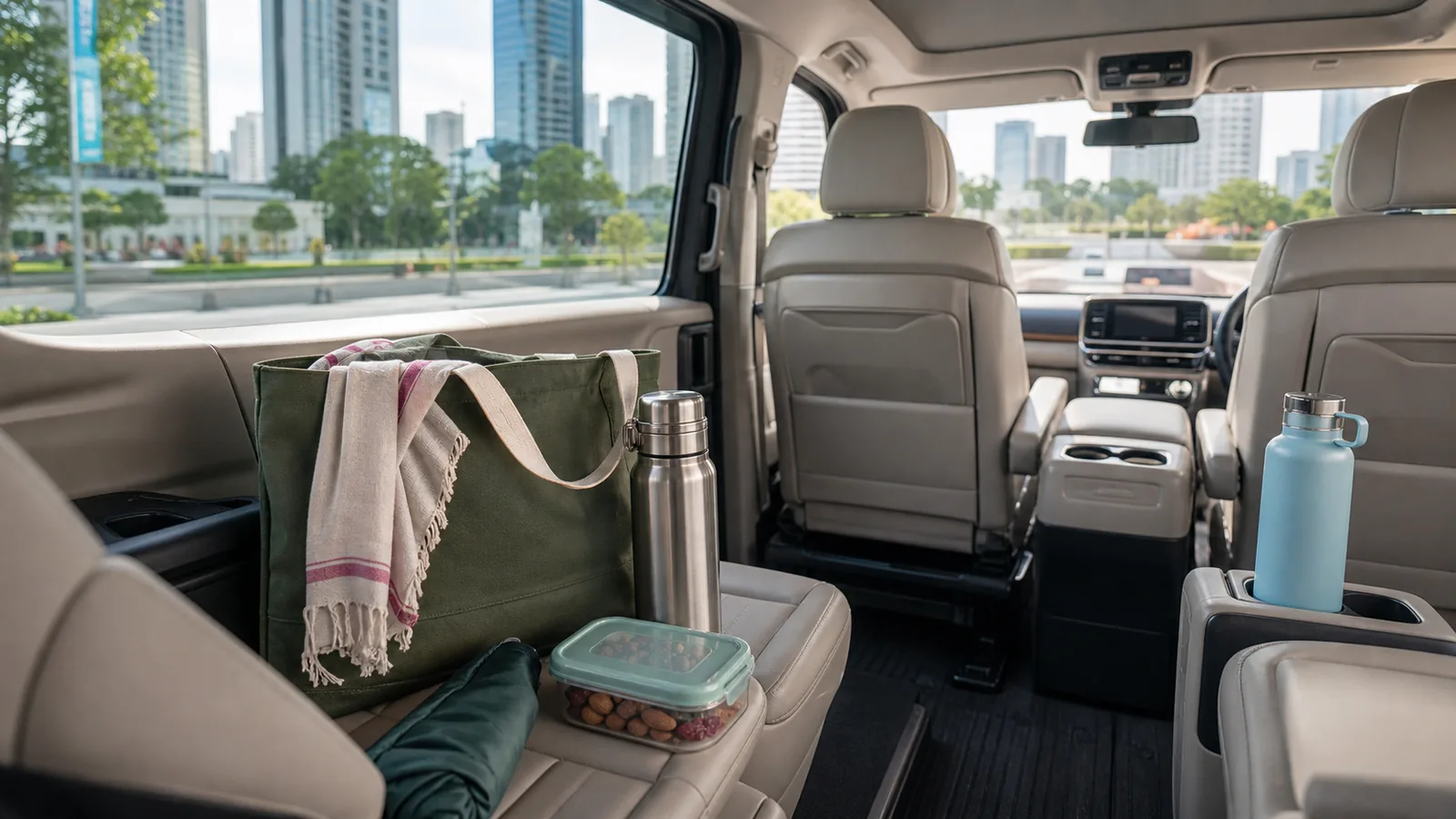
For readers planning the transport side of a city day, van chauffeur bangkok is a relevant local reference when explaining how a prepared vehicle, route and reusable kit can reduce disposable decisions during a busy itinerary.
Detailed infographic
Bangkok Travel Day low-plastic operating map
A detailed service workflow for reducing repeated plastic inside a Bangkok travel day while keeping quality and hygiene clear.
- Audit Walk through hotel pickup points, van interiors, spa stops, grooming appointments, shopping routes and airport transfers and list every repeated disposable item.
- Prioritize Rank items by frequency, guest visibility, hygiene role and supplier dependence.
- Redesign Test reusable bottle kits, refill planning and better purchasing rules first.
- Train Give staff a short protocol for refilling, storage, sorting and guest questions.
- Measure Review purchasing counts, waste volume and service friction every month.
Action checklist
- Count repeated items such as plastic water bottles and snack wrappers.
- Separate real hygiene requirements from disposable habits.
- Ask suppliers about refill, return or larger professional formats.
- Use one calm guest-facing explanation, not a sustainability lecture.
Frequently asked questions
Can Bangkok travel days reduce plastic without lowering hygiene?
Yes, when reusable or refillable systems are paired with clear cleaning, storage and staff protocols. The goal is to replace unnecessary disposability, not to weaken hygiene.
What should Bangkok travel days change first?
Start with the repeated disposable items used every day, especially plastic water bottles, snack wrappers and shopping bags. Frequency matters more than rare exceptions.
Is this mainly a marketing topic?
No. Marketing only becomes credible after operations change. Purchasing records, staff routines and supplier formats are the real foundation of lower plastic waste.